


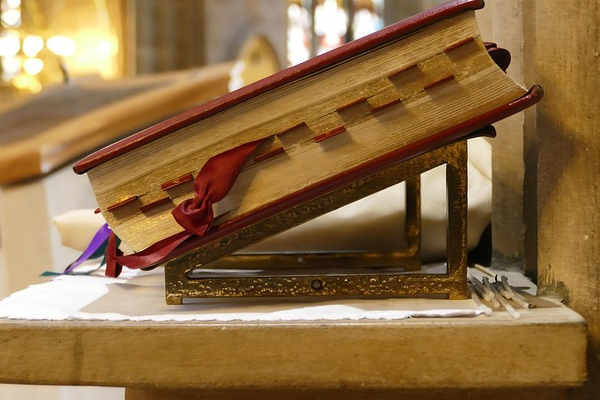

Heating large religious spaces like churches and temples has always been a challenge. With their vast ceilings, intricate architecture, and open designs, maintaining a comfortable temperature requires efficient solutions. Cast iron radiators have been the answer for decades, combining practicality with timeless aesthetics. These heating systems not only ensure steady warmth but also complement the traditional beauty of sacred spaces.
Visit castironradiatorcompany.co.uk for a range of options tailored to both modern and historic buildings. Their expertise highlights how cast iron radiators blend functionality with elegance, making them a preferred choice for many.
Why Cast Iron Radiators are Ideal for Religious Spaces
1. Steady and Efficient Heating
- Thermal mass: Cast iron retains heat longer than most materials. Once warmed, it continues to radiate heat, ensuring consistent temperatures during lengthy services or gatherings.
- Energy efficiency: Churches and temples often require heating only during specific times. Cast iron radiators excel in this context, as their heat retention reduces the need for constant energy use.
- Wide coverage: With their ability to warm large spaces, these radiators are perfect for expansive interiors like cathedrals and halls.
2. Aesthetic Compatibility
- Timeless design: The ornate designs of cast iron radiators blend seamlessly with the architectural grandeur of religious spaces. Whether it’s Gothic arches or stained glass windows, the radiators don’t disrupt the visual harmony.
- Custom finishes: Many radiators can be customized to match the color schemes and decor of specific spaces, preserving the sanctity and historical charm of the interiors.
Historical Significance of Cast Iron Radiators
Dating back to the 19th century, cast iron radiators were widely used in Europe and beyond. Their durability and performance made them a standard feature in many public and religious buildings. Unlike modern alternatives, these radiators have a heritage appeal, symbolizing a connection to history. Churches and temples across the globe still use original cast iron radiators, a testament to their longevity and craftsmanship.
Iconic Examples
- European cathedrals: Many Gothic and Renaissance-era churches retain their original radiators, showcasing their role in preserving comfort without compromising design.
- Community temples: Smaller religious spaces often incorporate vintage cast iron radiators, maintaining a warm and inviting atmosphere for worshippers.
Modern Adaptations for Sustainability
While their classic designs remain a favorite, cast iron radiators have evolved to meet today’s energy standards. Modern versions are more sustainable, offering better heat output with reduced energy consumption. This makes them suitable for both historic preservation projects and contemporary religious spaces.
Key Features of Modern Cast Iron Radiators
- Energy-saving technology: Improved valves and thermostats enhance efficiency.
- Eco-friendly materials: Many manufacturers now use recycled materials in production.
- Durability: Just like their vintage counterparts, modern cast iron radiators are built to last decades.
Benefits of Cast Iron Radiators for Congregational Gatherings
- Comfort: Ensures consistent warmth, especially during long sermons, weddings, or special services.
- Quiet operation: Unlike forced-air systems, radiators heat silently, preserving the serenity of worship.
- All-season usability: During colder months, they provide warmth; in temperate seasons, they can be adjusted to minimal settings.
Enhancing the Architectural Beauty of Religious Spaces
Religious buildings are not just places of worship; they are also architectural marvels. Adding a cast iron radiator does more than provide heating—it becomes a part of the aesthetic. Their intricate patterns and sturdy frames often mirror the craftsmanship seen in older churches and temples.
For those renovating or building new spaces, cast iron radiators offer a way to honor tradition while meeting modern comfort needs.
Conclusion
Cast iron radiators stand as a bridge between history and practicality. They offer reliable heating for religious spaces while complementing their architectural heritage. Whether preserving the charm of a century-old cathedral or installing sustainable options in a modern temple, these radiators remain an essential feature. To explore high-quality cast iron radiators that combine form and function, visit the Cast Iron Radiator Company official website.

 Meet Olen Thompson, founder of the Truckers Ministries, which he chaplains by providing counselling and fellowship for truck drivers and transients; or to anyone who enters the semitrailer that he converted into a chapel. Being a former heavy duty towing truck driver who hauled heavy equipment across the US, Olen is able to relate to the challenges and hardships of being on the road for months.
 Now a Free Methodist elder, he and other members of the Truckers Ministries act as chaplains. They provide help whatever and whenever needed by people seeking to get closer to Christ in order to be led out of deeper waters. Trucker Ministries operate mainly on donations given by employees of trucking companies.
 When going on a road trip, it is important that you plan ahead of time and prepare all necessary things you need for the trip. Travel pillows and blankets, a first aid kit, chargers, extra batteries, headlamps and/or flashlights, your driver’s license, car registration as well as insurance Information, spare tire, and keys are among the things you need to prepare. While these are all important, it is also imperative that your car is regularly checked, serviced, and maintained even before you have planned the road trip to ensure your vehicle is in excellent condition and in optimal performance when you head out.
 Begin Your Travel With A Prayer
 So you cannot afford not to celebrate your diversity and should learn how you can still live together.
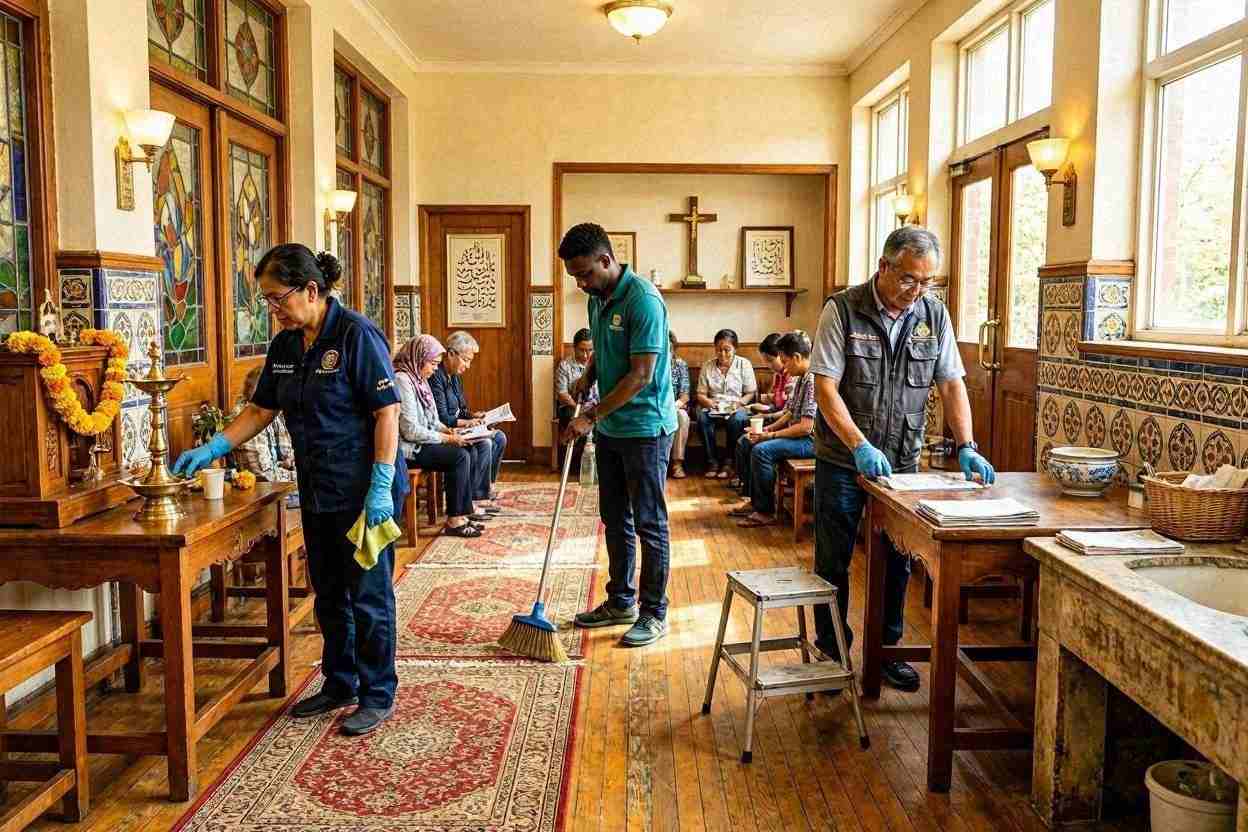 Hospitality has long been valued across many religions and cultures. Welcoming guests with kindness, generosity, and respect is a tradition shared by communities around the world. While the way people host visitors has changed over the years, the principles behind good hospitality remain the same. Clean, comfortable, and well-prepared spaces show care for every guest who walks through the door.

 Many religious buildings welcome large groups every week, which makes comfort and reliability essential for worship and community events. Churches, temples, mosques, and other sacred spaces rely on strong HVAC and plumbing systems to keep their gatherings peaceful, safe, and welcoming. These systems quietly work behind the scenes, shaping how people experience the space around them.
 Yoga began over 5,000 years ago in ancient India as a spiritual practice rooted in Hinduism and later Buddhism. Designed to unite body, mind, and spirit, it was a disciplined path for monks and ascetics seeking enlightenment. Ancient texts like the Rigveda and Upanishads laid the groundwork, emphasizing meditation, breath control, and ethical living. Practitioners sat in quiet contemplation, far from today’s bustling studios. Their focus was inward, aiming for liberation from worldly suffering. This sacred tradition, passed down through generations, was less about physical postures and more about mental clarity and spiritual awakening.
 Millions of people now access religious teachings and services online every week. From livestreamed Sunday sermons to digital scripture study tools, the internet has become an extension of worship spaces. Faith communities are realizing that a well-organized online hub can make a big difference in keeping members engaged, informed, and spiritually connected.
 Religion has long inspired the creation of beautiful and meaningful objects. From ancient relics to modern interpretations, many works of art are shaped by spiritual beliefs. One such modern material that is beginning to find a place in religious spaces and expressions is HaanGlas VIG. This unique glass-like medium combines beauty, durability, and symbolism, making it a fitting choice for environments where faith is central.
 Churches have traditionally been centers for worship, community, and connection. From weekly services to seasonal events, these gatherings often extend beyond sanctuary walls. In recent years, many churches have begun reimagining their outdoor spaces to accommodate the growing need for flexible, comfortable, and welcoming environments.
 Every home holds a sanctuary. Whether it’s a quiet corner for prayer, a cushioned nook for meditation, or a family room where loved ones gather for reflection, these spaces carry deep meaning. Cleanliness in these areas isn’t just about appearance. It’s about creating an environment that feels pure and welcoming. Upholstered furniture, like sofas or armchairs, often anchors these sacred spots. Keeping them spotless enhances the spiritual experience, fostering peace and clarity.
 Moving a church is no small task. It’s about packing pews and furniture and relocating


 Thai massage is the most requested home tie (홈타이) service from Korean providers of home massage treatments rendered by a Thai Manager and a blind Thai masseuse. While this type of service is hard to come by just by searching for a home service massage, those in the know, use an intermediary
  Actually, Thai massage is of Indian origin, as it was developed 2500 years ago by Buddha’s Indian doctor and friend. As Buddhism flourished and spread in various South-East Asian monasteries, it gained popularity in Thailand as a massage service rendered outside of Buddhist monasteries.


 Social media is essential to connect and engage with audiences of all kinds. Churches can leverage the power of social media to reach a wider community, share their message, and foster meaningful connections. This article will explore
  As a matter of fact, the administration of AU Prime Minister Scott Morrison recognized the need of different religious
  either to a Network Video Recorder (NVR) that stores the recorded footage; or to a server-based Video Management System (VMS).
 Religion is a crucial part of many people’s lives, and in today’s digital age, religious organizations need to have a strong online presence. A well-designed website by website design Hamilton can serve as a platform for communicating with members, reaching out to potential followers, and offering valuable resources. Here are some tips and best practices for designing religious websites that are user-friendly, accessible, and engaging.
 In today’s world, where technology significantly impacts our daily lives, social media platforms like Instagram have become an essential tool for communication, entertainment, and self-expression. However, Instagram is not only used for these purposes but also for religious expression and practices.